Ever wondered how top marketers generate a flood of high-quality leads? The secret might just be simpler than you think. Enter leadsonline—a game-changing approach to mastering lead generation in today’s digital world.

What Is leadsonline and Why It Matters

At its core, leadsonline represents a modern, data-driven ecosystem designed to streamline lead acquisition, nurturing, and conversion. It’s not just a tool or platform—it’s a methodology embraced by sales teams, marketers, and entrepreneurs who want predictable growth.
The Evolution of Lead Generation
Lead generation has come a long way from cold calling and print ads. In the 1990s, businesses relied heavily on trade shows and direct mail. Then came the internet, and everything changed. Websites, email marketing, and CRM systems began shaping how companies captured interest.
Today, leadsonline leverages automation, AI, and real-time analytics to identify, qualify, and convert prospects faster than ever. Platforms like HubSpot and Salesforce have laid the groundwork for what we now recognize as intelligent lead management.
Defining leadsonline in Modern Marketing
So, what exactly does leadsonline mean? It refers to any system, strategy, or service that operates primarily online to generate, track, and optimize sales leads. This includes everything from lead capture forms to AI-powered chatbots, from LinkedIn outreach campaigns to SEO-optimized landing pages.
- Real-time lead tracking
- Automated follow-up sequences
- Data enrichment tools
These components work together under the umbrella of leadsonline to create scalable, measurable, and repeatable lead pipelines.
“The future of sales isn’t about more calls—it’s about smarter leads.” — MarketingProfs
How leadsonline Transforms Sales Funnels
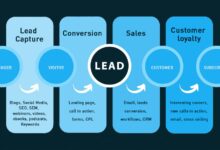
Traditional sales funnels are linear: awareness → interest → decision → action. But with leadsonline, the funnel becomes dynamic, responsive, and self-optimizing.
From Static to Smart Funnels
Old-school funnels treated every visitor the same. Today, leadsonline platforms use behavioral data to personalize the journey. For example, if a user spends time reading pricing pages, the system can trigger a demo offer or live chat invitation.
This level of responsiveness increases conversion rates by up to 70%, according to research from MarketingCharts.
Lead Scoring and Prioritization
Not all leads are created equal. leadsonline systems use lead scoring models based on demographics, engagement, and intent signals. A lead who downloads an eBook might score 10 points, while one who watches a product demo gets 50.
- Demographic fit (job title, company size)
- Engagement level (email opens, page visits)
- Intent data (search queries, ad clicks)
This scoring allows sales teams to focus on high-potential prospects, reducing wasted effort and boosting close rates.
Top Tools Powering leadsonline Success
No discussion of leadsonline is complete without mentioning the tools that make it possible. These platforms integrate seamlessly to create end-to-end lead ecosystems.
CRM Integration with leadsonline
Customer Relationship Management (CRM) systems are the backbone of any leadsonline strategy. Tools like Zoho CRM and Pipedrive sync data from websites, social media, and email campaigns to provide a unified view of each lead.
With real-time updates, sales reps can see when a lead opens an email or visits a pricing page—enabling timely, relevant outreach.
Email Automation and Nurturing
Email remains one of the highest ROI channels in leadsonline. Platforms like Mailchimp and Constant Contact allow marketers to send personalized, behavior-triggered emails at scale.
- Welcome series for new subscribers
- Re-engagement campaigns for inactive leads
- Cart abandonment sequences for e-commerce
When done right, automated email nurturing can increase conversions by over 50%.
AI-Powered Lead Enrichment
One of the most powerful aspects of leadsonline is the ability to enrich lead data automatically. Tools like Clearbit and LinkedIn Sales Navigator pull in job titles, company details, and even technographic data (like software usage).
This enriched data allows for hyper-targeted messaging and segmentation, making outreach far more effective.
Strategies to Maximize leadsonline Performance
Having the right tools is only half the battle. To truly dominate with leadsonline, you need a solid strategy.
Content That Converts Visitors Into Leads
The foundation of any leadsonline strategy is valuable content. Whether it’s an eBook, webinar, or free tool, your content should solve a real problem.
For example, a SaaS company might offer a free ROI calculator. In exchange for access, visitors provide their email and company info—creating a qualified lead.
- Identify your audience’s pain points
- Create high-value lead magnets
- Use clear, compelling CTAs
According to Content Marketing Institute, businesses that prioritize content marketing generate 3x more leads than those that don’t.
Landing Page Optimization for leadsonline
Your landing page is where the magic happens. Even the best content will fail if the page is cluttered or confusing.
Best practices for leadsonline landing pages include:
- Single, clear headline
- Minimal form fields (name + email only)
- Strong visual hierarchy
- Mobile responsiveness
A/B testing can further refine performance. Companies like Unbounce report that optimized landing pages can double conversion rates.
Social Media and leadsonline Synergy
Social platforms are no longer just for branding—they’re powerful leadsonline engines. Facebook Lead Ads, LinkedIn InMail, and Instagram swipe-up links allow users to submit info without leaving the app.
When combined with retargeting ads, social media can nurture cold audiences into warm leads. For instance, a user who clicks a LinkedIn post might later see a targeted ad offering a free consultation.
Measuring Success in leadsonline Campaigns
You can’t improve what you don’t measure. Tracking the right KPIs is essential for optimizing leadsonline performance.
Key Metrics to Monitor
To evaluate your leadsonline efforts, focus on these core metrics:
- Conversion Rate: Percentage of visitors who become leads
- Cost Per Lead (CPL): How much you spend to acquire one lead
- Lead-to-Customer Rate: How many leads turn into paying customers
- Lead Quality Score: Assessed by sales team feedback
Tracking these over time reveals trends and highlights areas for improvement.
Using Analytics to Refine leadsonline Strategy
Google Analytics, combined with UTM parameters, provides deep insights into which channels drive the best leads.
For example, you might discover that blog traffic generates more leads than paid ads—but at a lower quality. This insight allows you to adjust budget allocation and content focus.
Advanced tools like Hotjar add heatmaps and session recordings, showing exactly how users interact with your lead capture forms.
Common Mistakes to Avoid in leadsonline
Even experienced marketers fall into traps when building leadsonline systems. Avoiding these pitfalls can save time, money, and frustration.
Overcomplicating the Lead Capture Process
One of the biggest mistakes is asking for too much information upfront. A long form with 10 fields will scare off most visitors.
Instead, start with minimal data (email only), then gradually collect more through progressive profiling as the lead engages.
Neglecting Lead Nurturing
Only 2% of leads convert on first contact, according to MarketingDonut. Yet many companies send one email and give up.
A robust leadsonline strategy includes multi-touch nurturing sequences that build trust over time.
Failing to Align Sales and Marketing
Silos between sales and marketing teams cripple leadsonline success. If marketing passes unqualified leads to sales, resentment builds.
Solution? Establish a Service Level Agreement (SLA) defining lead criteria, response times, and feedback loops.
Future Trends Shaping leadsonline
The leadsonline landscape is evolving fast. Staying ahead means embracing emerging trends before competitors do.
AI and Predictive Lead Scoring
Artificial Intelligence is revolutionizing how we identify high-potential leads. Predictive scoring models analyze thousands of data points to forecast which leads are most likely to convert.
Tools like InsideSales and People.ai use machine learning to prioritize outreach, increasing sales efficiency by up to 30%.
Voice Search and leadsonline
With the rise of smart speakers and voice assistants, optimizing for voice search is becoming critical for leadsonline.
People ask longer, conversational questions via voice (“Where can I find CRM software for small businesses?”). Content optimized for natural language queries will capture these emerging leads.
Privacy-First leadsonline Strategies
With GDPR, CCPA, and browser changes (like third-party cookie deprecation), leadsonline must adapt.
The future belongs to permission-based marketing—where leads opt in willingly and trust is earned through transparency and value exchange.
Case Studies: Real-World leadsonline Wins
Nothing proves the power of leadsonline like real results. Let’s look at two companies that transformed their growth using smart lead strategies.
Tech Startup Scales with leadsonline Automation
A B2B SaaS startup struggled to scale its sales team. They implemented a leadsonline system using HubSpot for CRM, Drift for chatbots, and LinkedIn Ads for targeting.
Results after 6 months:
- Leads increased by 220%
- Sales cycle shortened by 35%
- CPL dropped from $45 to $18
The key? Automated lead scoring and instant follow-up via chat.
E-Commerce Brand Boosts Conversions with leadsonline Funnels
An online fashion retailer used leadsonline tactics to grow its email list. They offered a 10% discount in exchange for email signups, promoted via Instagram and Google Ads.
They then used Klaviyo for automated email sequences, including:
- Abandoned cart reminders
- Post-purchase upsell offers
- Re-engagement campaigns
Within 4 months, their email-driven revenue grew by 150%, proving that leadsonline isn’t just for B2B.
What is leadsonline?
leadsonline refers to the ecosystem of online tools, strategies, and platforms used to generate, manage, and convert sales leads. It combines technology, data, and marketing tactics to create efficient, scalable lead pipelines.
How does leadsonline improve conversion rates?
By using automation, lead scoring, and personalized nurturing, leadsonline ensures that the right message reaches the right person at the right time—increasing relevance and trust, which boosts conversions.
Can small businesses benefit from leadsonline?
Absolutely. Many leadsonline tools offer affordable or even free tiers. With the right strategy, small businesses can compete with larger players by being more agile and targeted in their outreach.
Is leadsonline only for B2B companies?
No. While B2B companies often use leadsonline for complex sales cycles, B2C brands also leverage it—especially in e-commerce, education, and subscription services.
What’s the first step to start with leadsonline?
Start by defining your ideal customer profile, then set up a simple lead capture system (like a landing page with an email opt-in). From there, build your nurturing sequences and integrate with a CRM.
Mastering leadsonline isn’t about chasing every new tool or trend. It’s about building a systematic, data-driven approach to lead generation that scales with your business. From defining your audience to leveraging AI and automation, the strategies outlined here provide a roadmap to predictable growth. Whether you’re a startup or an established brand, embracing leadsonline principles can transform how you attract and convert customers. The future of sales is online, intelligent, and intentional—make sure you’re ready.
Further Reading:
