Ever wondered what happens when lead turns from solid to liquid? The leads melting point isn’t just a number—it’s a gateway to understanding safety, science, and industry secrets. Let’s dive into the heat.
What Exactly Is the Leads Melting Point?

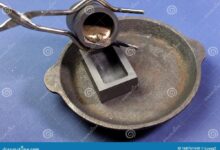
The leads melting point refers to the specific temperature at which metallic lead transitions from a solid to a liquid state. This physical property is crucial across scientific, industrial, and environmental domains. For pure lead, this occurs at approximately 327.5°C (621.5°F), a relatively low melting point compared to many other metals. This characteristic makes lead both useful and hazardous, depending on context.
Understanding Melting Point in Metals
Melting point is defined as the temperature at which a substance changes from solid to liquid at atmospheric pressure. In metals, this property is influenced by atomic structure, bonding strength, and electron configuration. Metals with strong metallic bonds, like tungsten, have extremely high melting points, while those with weaker bonds, such as lead, melt at lower temperatures.
- Metals with low melting points include lead, tin, and mercury.
- High melting point metals include tungsten, iron, and platinum.
- The melting point is a physical constant under standard pressure.
Lead’s relatively low melting point is due to its electron configuration and weak metallic bonding, making it easy to liquefy with moderate heat. This property has made it historically valuable in casting, soldering, and recycling processes.
Why the Leads Melting Point Matters in Science
In scientific research, knowing the exact leads melting point is essential for accurate material characterization. It helps in identifying purity, as impurities can alter the melting behavior. A deviation from 327.5°C may indicate contamination with other metals like tin or antimony.
“The melting point of a metal is like its fingerprint—unique and revealing.” — Materials Scientist, Dr. Elena Rodriguez
Thermal analysis techniques such as differential scanning calorimetry (DSC) are used to measure the leads melting point precisely in laboratories. These methods are critical in metallurgy, quality control, and forensic material analysis.
Historical Uses of Lead and Its Melting Behavior
Lead has been used by humans for over 8,000 years, with ancient civilizations exploiting its malleability and low leads melting point for practical applications. From Roman plumbing to medieval stained glass, lead’s ease of melting made it a go-to material for shaping and joining.
Lead in Ancient Civilizations
The Romans famously used lead in aqueducts and water pipes—hence the word ‘plumbing’ derived from the Latin word *plumbum* for lead. Because of its low leads melting point, artisans could easily melt and cast lead into pipes, weights, and even cosmetics.
- Roman soldiers carried lead sling bullets, melted and molded using portable furnaces.
- Lead was used in early writing tablets and seals.
- Alchemists believed lead could be transformed into gold—a pursuit rooted in its physical properties.
Despite its utility, the toxicity of lead was poorly understood at the time, leading to widespread health issues among those exposed.
Industrial Revolution and Lead Expansion
During the 18th and 19th centuries, the leads melting point became even more valuable as industrialization demanded materials that could be easily processed. Lead was used in printing presses (type metal), batteries, and construction.
The invention of the lead-acid battery by Gaston Planté in 1859 revolutionized energy storage. The ability to melt and cast lead into precise grid structures was essential—again, thanks to its manageable leads melting point. Factories began melting lead on a massive scale, often with little regard for worker safety.
“The ease of melting lead fueled industrial progress—but at a hidden human cost.” — Historical Metallurgist, Prof. James Holloway
Modern Applications of the Leads Melting Point
Today, the leads melting point continues to play a role in various industries, though its use is more regulated due to health and environmental concerns. Understanding this property helps engineers and technicians work safely and efficiently.
Lead in Soldering and Electronics
One of the most common modern uses of lead is in solder—a metal alloy used to join electronic components. Traditional tin-lead solder (60/40) melts around 183–190°C, well below the pure leads melting point, due to eutectic behavior.
- Eutectic alloys melt at lower temperatures than their individual components.
- Lead-based solder provides strong, reliable electrical connections.
- RoHS regulations have reduced lead use in consumer electronics since 2006.
Despite the shift to lead-free solders, many aerospace, military, and medical devices still use lead-based solder due to its superior performance and reliability under stress.
Recycling and Lead Smelting
Recycling lead-acid batteries is one of the most efficient industrial processes, with over 99% of lead recovered in the U.S. The leads melting point is central to this process. Scrap batteries are broken down, and lead components are melted in smelters at temperatures just above 327.5°C.
This recycling process saves energy and reduces mining demand. However, improper handling can release toxic fumes, especially if lead is overheated or contaminated with plastics and sulfuric acid.
For more on lead recycling standards, visit the U.S. Environmental Protection Agency’s lead recycling page.
Health and Safety Risks Around the Leads Melting Point
While the leads melting point makes processing easier, it also poses serious health risks. When lead is heated close to or above its melting temperature, it can release toxic fumes and particulates that are easily inhaled or ingested.
Lead Fumes and Inhalation Hazards
Heating lead—even below its melting point—can produce lead oxide fumes, which are extremely dangerous. At temperatures above 500°C, vaporization increases significantly, leading to high airborne concentrations.
- Symptoms of lead poisoning include abdominal pain, fatigue, memory loss, and anemia.
- Chronic exposure can damage the nervous system, kidneys, and reproductive organs.
- Children and pregnant women are especially vulnerable.
OSHA (Occupational Safety and Health Administration) sets strict exposure limits for lead in the workplace. Employers must ensure proper ventilation, respirators, and monitoring when melting lead.
“There is no safe level of lead exposure.” — World Health Organization (WHO)
For more information on occupational lead exposure, visit OSHA’s lead safety guidelines.
Safety Protocols for Melting Lead
Safe handling of molten lead requires strict protocols. Whether in a foundry, recycling plant, or hobby workshop, precautions are non-negotiable.
- Always use a well-ventilated area or fume extraction system.
- Wear protective gear: heat-resistant gloves, aprons, face shields, and N95 or P100 respirators.
- Never melt lead indoors or in uncontrolled environments.
Temperature control is also critical. Overheating lead beyond its melting point increases oxidation and fume production. Using a digital thermometer or pyrometer helps maintain safe operating ranges.
Environmental Impact of Lead Melting Processes
The environmental consequences of reaching the leads melting point are significant. Unregulated melting and smelting contribute to soil, water, and air pollution, affecting ecosystems and human communities.
Air Pollution from Lead Smelting
Lead smelters release particulate matter and lead compounds into the atmosphere. These pollutants can travel long distances and settle in water bodies or agricultural land.
- Lead in the air is linked to developmental issues in children.
- High levels near industrial zones have led to evacuation and cleanup efforts.
- Modern smelters use baghouses and scrubbers to reduce emissions.
The U.S. Clean Air Act regulates lead emissions, and the EPA monitors ambient lead levels nationwide. You can check local air quality data at EPA’s Lead Trends page.
Soil and Water Contamination
Improper disposal of slag or runoff from lead melting sites can contaminate groundwater and soil. Once lead enters the environment, it persists indefinitely, as it does not degrade.
Communities near abandoned smelters often face long-term health risks. Remediation projects, such as soil removal and capping, are costly but necessary.
“Lead doesn’t disappear—it just waits.” — Environmental Scientist, Dr. Lila Chen
Urban gardening in areas with historical lead use requires soil testing to prevent ingestion through crops.
Scientific Research and Innovations Around the Leads Melting Point
Modern science continues to study the leads melting point for both practical and theoretical reasons. Researchers are exploring ways to reduce risks, improve recycling, and understand phase transitions at the atomic level.
Phase Transition Studies in Materials Science
Scientists use the leads melting point as a model system to study phase changes. Advanced imaging and simulation techniques allow researchers to observe atomic rearrangements during melting.
- Molecular dynamics simulations predict how lead atoms behave near the melting threshold.
- Neutron diffraction studies reveal structural changes in molten lead.
- These insights help improve alloy design and casting techniques.
Such research is foundational for developing safer materials and processes in metallurgy.
Lead Substitutes and Green Alternatives
Due to toxicity concerns, scientists are actively developing lead-free alternatives for applications that rely on the leads melting point.
- Bismuth-tin alloys mimic lead’s low melting behavior without the toxicity.
- Zinc-based solders are being tested for electronics.
- Graphene-enhanced composites may offer future solutions.
While no substitute perfectly replicates lead’s properties, ongoing research aims to balance performance, safety, and cost.
Common Misconceptions About the Leads Melting Point
Despite its scientific clarity, the leads melting point is often misunderstood by hobbyists, DIYers, and even some professionals. These misconceptions can lead to unsafe practices.
Myth: Melting Lead at Home Is Safe If You’re Careful
Many people attempt to melt lead for fishing weights, bullets, or art projects in their garages. However, even small-scale operations can produce dangerous fumes.
Without proper ventilation and respiratory protection, lead oxide inhalation is almost guaranteed. The CDC warns that blood lead levels can rise rapidly from such activities.
“There’s no such thing as a safe DIY lead melt.” — CDC Public Health Advisory
Myth: Lead Melts at Room Temperature
Some confuse lead with mercury, which is liquid at room temperature. Lead is solid at ambient conditions and requires significant heat to melt.
- Lead melts at 327.5°C, far above room temperature (~25°C).
- It feels soft and malleable, which may contribute to the misconception.
- It can be scratched or deformed easily, but not liquefied without heat.
Understanding this distinction is vital for safe handling and storage.
Future Outlook: The Role of the Leads Melting Point in a Sustainable World
As global awareness of toxicity grows, the future of lead use—and its melting point—hangs in the balance. While demand persists in critical industries, sustainability and safety are driving change.
Regulatory Trends and Global Policies
Countries are tightening regulations on lead use. The European Union’s RoHS and REACH directives restrict lead in electronics and chemicals. The U.S. continues to enforce strict OSHA and EPA standards.
- Developing nations face challenges in regulating informal recycling sectors.
- Global partnerships aim to phase out leaded aviation fuel and paints.
- Monitoring and enforcement remain key to reducing exposure.
The WHO’s “Lead Poisoning Prevention” initiative highlights the need for coordinated action.
Innovation in Lead-Free Technologies
The push for alternatives is accelerating. From lead-free solders to new battery chemistries, innovation is reducing reliance on materials with hazardous melting behaviors.
- Solid-state batteries may replace lead-acid in the future.
- 3D printing with safe alloys reduces waste and exposure.
- AI-driven material discovery speeds up the search for substitutes.
Yet, for now, the leads melting point remains a necessary evil in certain high-reliability applications.
What is the exact leads melting point?
The exact leads melting point is 327.5°C (621.5°F) at standard atmospheric pressure. This value can vary slightly depending on purity and alloy composition.
Can lead melt at room temperature?
No, lead cannot melt at room temperature. It requires heating to at least 327.5°C to transition from solid to liquid. Mercury is the only metal that is liquid at room temperature.
Is it safe to melt lead at home?
No, melting lead at home is not safe. It releases toxic fumes that can cause lead poisoning, even in small amounts. Proper ventilation, protective equipment, and regulatory compliance are essential—best left to industrial facilities.
Why is the leads melting point important in recycling?
The leads melting point is crucial in recycling because it allows efficient recovery of lead from batteries and scrap. Melting at 327.5°C enables purification and reuse, conserving resources and reducing environmental impact.
Are there safe alternatives to lead with similar melting points?
Yes, bismuth-tin alloys and other lead-free solders offer similar low melting points without the toxicity. However, they may differ in mechanical strength and conductivity, limiting their use in critical applications.
Understanding the leads melting point is more than a scientific curiosity—it’s a key to unlocking safer industrial practices, environmental protection, and technological innovation. From ancient plumbing to modern recycling, this property has shaped human progress. But with great utility comes great responsibility. As we move toward a greener future, the challenge lies in balancing the benefits of lead’s low melting point with the imperative to protect health and the planet. Whether you’re a scientist, engineer, or concerned citizen, awareness of this fundamental property empowers smarter, safer decisions.
Further Reading:
