Ever wondered what ‘leads meaning’ really is? It’s more than just potential customers—it’s the lifeblood of sales and marketing. Let’s break it down in simple, powerful terms.
Leads Meaning: The Core Definition and Why It Matters

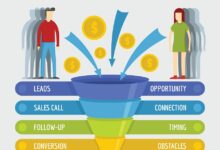
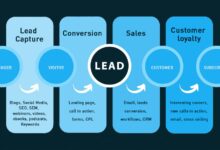
Understanding the leads meaning is the first step toward building a successful sales funnel. At its core, a lead is any individual or organization that has shown interest in your product or service. This interest can be expressed in various ways—filling out a form, subscribing to a newsletter, downloading a whitepaper, or even engaging with your content on social media.
What Exactly Is a Lead?
A lead is not yet a customer, but a prospect who has taken an action indicating potential interest. According to Investopedia, a lead is “a potential sales contact.” This could be someone who has visited your website, clicked on an ad, or responded to a marketing campaign. The key is that they’ve taken a step that separates them from the general public.
A lead is someone who has provided contact information.They may not be ready to buy yet, but they’re on your radar.Leads can come from multiple channels: online, offline, referrals, or events.”A lead is the starting point of every customer journey.Without leads, there are no sales.” — Sales Enablement Expert, Mark RobergeWhy Understanding Leads Meaning Is Crucial for Business GrowthWithout a clear grasp of what leads mean for your business, your marketing and sales strategies may lack direction..
Knowing the leads meaning helps you identify who your ideal customers are, how to attract them, and how to nurture them through the sales pipeline.Companies that effectively manage their leads see higher conversion rates and better ROI on marketing spend..
For example, a B2B software company might define a lead as someone who downloads a product demo. In contrast, an e-commerce brand might consider a lead to be someone who signs up for a discount code. The definition varies by industry, but the principle remains the same: a lead is a stepping stone to a sale.
Types of Leads: From Cold to Hot
Not all leads are created equal. The leads meaning evolves depending on the stage of the buyer’s journey. Businesses categorize leads into different types based on their readiness to purchase. Understanding these types helps tailor communication and follow-up strategies.
Cold Leads: The Starting Point
Cold leads are individuals who have shown minimal interest. They might have visited your website or provided their email in exchange for a free resource, but they haven’t engaged deeply. These leads require nurturing through email campaigns, educational content, and consistent follow-up.
For instance, someone who signs up for a free eBook on digital marketing is a cold lead. They’re not ready to buy a course or service yet, but with the right content, they can be warmed up over time. According to HubSpot, cold leads often need multiple touchpoints before they convert.
Warm Leads: Showing Genuine Interest
Warm leads have interacted more meaningfully with your brand. They might have attended a webinar, requested a product demo, or engaged with your sales team. These leads are further along the buyer’s journey and are more likely to convert.
For example, a business owner who schedules a consultation call after reading a case study is a warm lead. They’ve moved beyond passive interest and are actively evaluating your solution. Marketing efforts for warm leads should focus on building trust and addressing specific pain points.
Hot Leads: Ready to Buy Now
Hot leads are the most valuable. They’ve expressed a clear intent to purchase and may only need a final push to close the deal. These leads often come from high-intent actions like requesting a quote, adding a product to the cart, or asking for pricing details.
leads meaning – Leads meaning menjadi aspek penting yang dibahas di sini.
Sales teams prioritize hot leads because they have the shortest sales cycle. A real estate agent, for instance, would treat someone who visits multiple properties and asks about financing as a hot lead. Immediate follow-up is critical to prevent them from going to a competitor.
Leads Meaning in Different Industries
The interpretation of leads meaning varies significantly across industries. What qualifies as a lead in one sector might not in another. Let’s explore how different industries define and handle leads.
Leads in B2B (Business-to-Business)
In B2B, leads are often organizations or decision-makers within companies. The sales cycle is longer, and the qualification process is more rigorous. A lead might be a procurement manager who downloads a technical specification sheet.
B2B leads are typically scored based on firmographics (company size, industry, location) and behavioral data (content downloads, website visits). Tools like Salesforce help track and manage these leads efficiently.
Leads in B2C (Business-to-Consumer)
B2C leads are usually individual consumers. The focus is on volume and speed. A lead could be someone who enters their email for a discount on an online store. The conversion path is shorter, and automation plays a big role.
For example, an e-commerce brand might use pop-up forms to capture leads at checkout. These leads are then nurtured through email sequences promoting new products or limited-time offers.
Leads in Real Estate and Services
In real estate, a lead might be a homebuyer who fills out a contact form on a property listing. In service-based industries like consulting or legal services, a lead could be someone who books a free strategy session.
The key in these industries is personalization. Leads expect tailored responses based on their specific needs. A real estate agent might follow up with property recommendations based on the lead’s budget and preferences.
How Leads Are Generated: Common Strategies
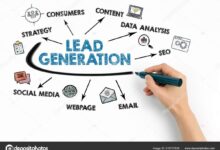
Generating leads is a strategic process that involves multiple channels and tactics. The leads meaning is only as valuable as the method used to acquire them. Let’s look at the most effective lead generation strategies.
Content Marketing and Lead Magnets
Content marketing is one of the most powerful ways to attract leads. By offering valuable content—like blogs, eBooks, or webinars—you encourage visitors to share their contact information in exchange for insights.
A lead magnet is a free resource designed to capture leads. Examples include:
- Free templates or checklists
- Industry reports or trend analyses
- Mini-courses or video tutorials
According to Neil Patel, businesses that use lead magnets see up to 300% more conversions.
leads meaning – Leads meaning menjadi aspek penting yang dibahas di sini.
Social Media and Paid Advertising
Social media platforms like LinkedIn, Facebook, and Instagram are goldmines for lead generation. Paid ads can target specific demographics, interests, and behaviors to attract high-quality leads.
For example, a fitness coach might run a Facebook ad offering a free workout plan. Users who click and sign up become leads. The ad’s targeting ensures the leads are relevant and more likely to convert.
Email Campaigns and Referral Programs
Email remains one of the most effective channels for lead nurturing. Drip campaigns, welcome sequences, and personalized offers keep leads engaged over time.
Referral programs also generate high-quality leads. When existing customers refer friends, those leads come with built-in trust. Companies like Dropbox grew rapidly by offering extra storage for referrals.
Lead Qualification: Separating the Good from the Great
Not every lead is worth pursuing. The leads meaning must include a qualification process to determine which leads are most likely to convert. This saves time and resources for both marketing and sales teams.
BANT Framework: Budget, Authority, Need, Timing
BANT is a classic lead qualification model used in sales. It evaluates leads based on four criteria:
- Budget: Does the lead have the financial resources to buy?
- Authority: Is the lead the decision-maker?
- Need: Does the lead have a problem your product solves?
- Timing: Is the lead ready to buy now or in the near future?
For example, a SaaS company might disqualify a lead who loves their software but doesn’t have approval to make purchases.
Lead Scoring: Assigning Value to Leads
Lead scoring assigns numerical values to leads based on their behavior and profile. High scores indicate higher purchase intent. Actions like visiting pricing pages, downloading brochures, or attending demos increase a lead’s score.
Marketing automation tools like Marketo or HubSpot automate this process, helping teams prioritize follow-ups.
Marketing Qualified Leads (MQL) vs. Sales Qualified Leads (SQL)
MQLs are leads that marketing deems ready for sales. They’ve engaged with content and shown interest but may not be ready to buy. SQLs, on the other hand, have been vetted by sales and are ready for a direct sales conversation.
The handoff from MQL to SQL is critical. Poor communication between teams can result in missed opportunities. Regular alignment meetings ensure smooth transitions.
Leads Meaning in the Digital Age: Technology and Automation
In today’s fast-paced market, understanding the leads meaning isn’t enough—you need the right tools to manage them. Technology has revolutionized how leads are captured, tracked, and converted.
leads meaning – Leads meaning menjadi aspek penting yang dibahas di sini.
CRM Systems: Centralizing Lead Management
Customer Relationship Management (CRM) systems like Salesforce, Zoho, and HubSpot CRM are essential for managing leads. They store lead data, track interactions, and automate follow-ups.
A CRM allows teams to see the entire journey of a lead—from first contact to closed deal. This visibility improves decision-making and increases conversion rates.
AI and Predictive Analytics in Lead Scoring
Artificial Intelligence (AI) is transforming lead qualification. Predictive analytics uses historical data to forecast which leads are most likely to convert. AI-powered tools can analyze thousands of data points in seconds.
For example, Salesforce Einstein uses AI to score leads and recommend next steps. This reduces guesswork and increases sales efficiency.
Chatbots and Instant Lead Capture
Chatbots on websites and social media platforms capture leads 24/7. They answer questions, qualify visitors, and collect contact information in real time.
A visitor asking about pricing can be instantly engaged by a chatbot, which then passes the lead to a sales representative. This immediacy boosts conversion rates, especially for hot leads.
Common Mistakes in Lead Management and How to Avoid Them
Even with a solid understanding of leads meaning, businesses often make mistakes that hurt conversion rates. Recognizing these pitfalls is the first step to avoiding them.
Ignoring Lead Nurturing
Many companies focus only on acquiring leads but neglect nurturing them. A lead that isn’t followed up with promptly loses interest. Studies show that 80% of leads require follow-up for 5+ touches before converting.
Solution: Implement automated email sequences and personalized content to keep leads engaged.
Poor Lead Qualification
Chasing every lead wastes time and resources. Sales teams burn out when they pursue unqualified prospects.
Solution: Use BANT or lead scoring to focus on high-potential leads. Train teams to disqualify leads early.
Lack of Sales and Marketing Alignment
When marketing and sales teams don’t communicate, leads fall through the cracks. Marketing may pass unqualified leads, or sales may ignore marketing efforts.
leads meaning – Leads meaning menjadi aspek penting yang dibahas di sini.
Solution: Hold regular sync meetings, define clear MQL and SQL criteria, and use shared dashboards for transparency.
What is the basic leads meaning?
The leads meaning refers to individuals or organizations that have shown interest in a product or service and are potential customers. They are not yet buyers but are in the early stages of the sales funnel.
What are the different types of leads?
Leads are categorized as cold, warm, or hot based on their level of interest and readiness to buy. Cold leads need nurturing, warm leads are engaged, and hot leads are ready to purchase.
How do you generate high-quality leads?
High-quality leads are generated through targeted content marketing, lead magnets, social media advertising, email campaigns, and referral programs. The key is relevance and value.
What is lead qualification?
Lead qualification is the process of evaluating leads to determine their likelihood of converting into customers. Frameworks like BANT and tools like lead scoring help in this process.
Why is CRM important for lead management?
A CRM system centralizes lead data, tracks interactions, automates follow-ups, and improves collaboration between marketing and sales teams, leading to higher conversion rates.
Understanding the leads meaning is essential for any business aiming to grow. From defining what a lead is to generating, qualifying, and nurturing them, each step impacts your bottom line. With the right strategies and tools, you can turn leads into loyal customers and drive sustainable success.
leads meaning – Leads meaning menjadi aspek penting yang dibahas di sini.
Further Reading:
