Want to grow your business fast? It all starts with one thing: leads. Without a steady stream of quality leads, even the best products can go unnoticed. In this guide, we’ll break down everything you need to know about generating, nurturing, and converting leads—using proven strategies that actually work.
What Are Leads and Why They Matter

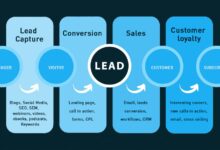
At the heart of every successful business is a consistent flow of leads. But what exactly are leads, and why are they so critical to growth? A lead is any individual or organization that has shown interest in your product or service. This interest can come from filling out a form, subscribing to a newsletter, downloading a guide, or engaging with your content.
The Definition of a Lead
In marketing terms, a lead is a potential customer who has taken an action indicating interest. This could be as simple as visiting your website or as involved as requesting a demo. Not all leads are equal—some are just browsing, while others are ready to buy.
- Leads are often captured through contact information like email or phone number.
- They represent the first step in the sales funnel.
- Leads can come from online or offline sources.
Types of Leads: MQLs vs SQLs
Understanding the difference between Marketing Qualified Leads (MQLs) and Sales Qualified Leads (SQLs) is crucial. MQLs are leads that marketing teams believe are ready for more direct sales engagement based on their behavior—like downloading a whitepaper or attending a webinar.
SQLs, on the other hand, have been vetted by the sales team and are considered ready for direct outreach. The transition from MQL to SQL often involves lead scoring, where points are assigned based on engagement level, demographics, and behavior.
“Not all leads are created equal. The key is identifying which ones are ready to move forward.” — HubSpot
Why Leads Are the Lifeblood of Business Growth
Leads fuel every stage of the customer journey. Without them, sales teams have no one to sell to, and marketing efforts go to waste. High-quality leads increase conversion rates, reduce customer acquisition costs, and improve ROI.
For startups and enterprises alike, a reliable lead generation engine is non-negotiable. According to Salesforce, 68% of marketing departments cite lead generation as their top goal.
7 Proven Strategies to Generate High-Quality Leads
Generating leads isn’t about casting a wide net—it’s about targeting the right audience with the right message. Below are seven powerful, data-backed strategies to help you attract and convert high-intent leads.
1. Create High-Value Lead Magnets
A lead magnet is a free resource offered in exchange for contact information. The more valuable the offer, the more leads you’ll generate. Examples include ebooks, checklists, templates, webinars, and free trials.
- Focus on solving a specific pain point.
- Keep the form short—only ask for essential info.
- Use compelling copy that highlights benefits, not features.
For example, a SaaS company might offer a free “Website Speed Optimization Checklist” to attract web developers and marketers. This targeted approach ensures that only relevant leads enter your funnel.
2. Optimize Your Website for Conversion
Your website is your 24/7 salesperson. If it’s not optimized for lead capture, you’re leaving money on the table. Start by auditing your site for clear calls-to-action (CTAs), fast load times, mobile responsiveness, and trust signals like testimonials.
- Place CTAs above the fold on key pages.
- Use exit-intent popups to capture leaving visitors.
- Implement live chat to engage users in real time.
According to Crazy Egg, websites with optimized CTAs can increase conversion rates by up to 32%.
3. Leverage Content Marketing
Content marketing is one of the most effective ways to attract organic leads. By creating blog posts, videos, infographics, and podcasts that answer your audience’s questions, you position your brand as a trusted authority.
- Focus on long-tail keywords with buyer intent.
- Repurpose content across platforms (e.g., turn blogs into LinkedIn posts).
- Include lead capture forms within content (e.g., “Download the full guide”).
Companies that blog generate 67% more leads than those that don’t, according to Forrester Research.
4. Run Targeted Paid Advertising Campaigns
Paid ads on Google, Facebook, LinkedIn, and Instagram can deliver instant leads when done right. The key is targeting the right audience with a compelling offer.
- Use lookalike audiences to reach people similar to your customers.
- Retarget website visitors with personalized ads.
- Test different ad creatives and landing pages for maximum ROI.
LinkedIn ads, for example, generate the highest number of leads for B2B companies, with a conversion rate of 2.5x higher than other platforms, per LinkedIn Marketing Solutions.
5. Host Webinars and Live Events
Webinars are a powerful lead generation tool because they combine education with engagement. Attendees must register with their contact info, giving you direct access to high-intent leads.
- Choose topics that address urgent industry challenges.
- Promote the event across email, social media, and paid ads.
- Follow up with attendees and no-shows using automated email sequences.
According to Content Marketing Institute, 73% of B2B marketers say webinars are the best way to generate high-quality leads.
6. Build an Email List with Lead Nurturing Funnels
Email remains one of the highest ROI channels for lead generation. But it’s not just about collecting emails—it’s about nurturing them into customers.
- Use lead scoring to segment your list (e.g., hot, warm, cold leads).
- Send personalized drip campaigns based on user behavior.
- Provide value first—educate, don’t sell.
For example, a real estate agency might send a 5-day email course on “First-Time Home Buying Mistakes” to new subscribers. This builds trust and positions the agent as a helpful expert.
7. Partner with Influencers and Affiliates
Influencer marketing isn’t just for fashion brands. In B2B and niche markets, micro-influencers can drive highly qualified leads. Similarly, affiliate programs incentivize others to promote your product in exchange for a commission.
- Choose partners whose audience aligns with your ideal customer.
- Provide affiliates with high-converting landing pages and creatives.
- Track performance using UTM parameters and CRM integration.
According to Influencer Marketing Hub, businesses earn $6.50 for every $1 spent on influencer marketing.
How to Qualify and Score Leads Effectively
Not all leads are worth pursuing. Wasting time on unqualified leads drains resources and lowers sales productivity. That’s why lead qualification and scoring are essential.
Using BANT to Qualify Leads
BANT is a classic framework used to assess lead readiness: Budget, Authority, Need, and Timeline.
- Budget: Does the lead have the financial resources to buy?
- Authority: Is the lead the decision-maker or influencer?
- Need: Do they have a clear pain point your product solves?
- Timeline: Are they looking to buy soon?
While BANT is effective, modern marketers often adapt it to fit today’s buyer journey, such as using CHAMP (Challenges, Authority, Money, Prioritization).
Implementing Lead Scoring Models
Lead scoring assigns numerical values to leads based on their behavior and profile. For example:
- +10 points for visiting the pricing page.
- +20 points for downloading a case study.
- +30 points for attending a demo.
- -10 points for unsubscribing from emails.
Once a lead reaches a threshold (e.g., 70 points), they’re passed to sales. Tools like HubSpot and Marketo automate this process, making it scalable.
Behavioral vs Demographic Scoring
Behavioral scoring tracks actions—like email opens, page visits, and content downloads. Demographic scoring looks at firmographics (company size, industry) and personal data (job title, location).
The most effective systems combine both. For instance, a CTO from a tech startup who downloads a technical whitepaper is likely a high-value lead.
The Role of CRM in Managing Leads
A Customer Relationship Management (CRM) system is the backbone of lead management. It centralizes all lead data, tracks interactions, and automates follow-ups.
Top CRM Features for Lead Management
When choosing a CRM, look for these lead-focused features:
- Lead capture forms and landing page integration.
- Automated lead assignment and routing.
- Activity tracking (calls, emails, meetings).
- Lead scoring and segmentation.
- Integration with email, social media, and ad platforms.
Popular options include Salesforce, HubSpot CRM, Zoho CRM, and Pipedrive.
How CRM Improves Lead Conversion Rates
CRMs reduce response time, ensure follow-ups, and provide insights into lead behavior. According to Nucleus Research, companies using CRM see an average of $8.70 return for every dollar spent.
Automated workflows can send a follow-up email within minutes of a lead signing up, increasing engagement and conversion chances.
Integrating CRM with Marketing Tools
To maximize efficiency, integrate your CRM with marketing automation tools like Mailchimp, ActiveCampaign, or Marketo. This ensures seamless data flow between departments and prevents leads from falling through the cracks.
For example, when a lead fills out a form on your website, the CRM automatically logs the info, tags them based on behavior, and triggers a welcome email sequence.
Common Lead Generation Mistakes to Avoid
Even experienced marketers make mistakes that hurt lead quality and volume. Here are the most common pitfalls and how to avoid them.
Targeting the Wrong Audience
One of the biggest mistakes is casting too wide a net. If your ads or content appeal to everyone, they resonate with no one. Define your ideal customer profile (ICP) clearly—include industry, company size, job title, pain points, and goals.
- Create buyer personas to guide your messaging.
- Use audience insights from Facebook and LinkedIn to refine targeting.
- Test different segments to see which converts best.
Offering Low-Value Lead Magnets
If your free guide is generic or outdated, people won’t trade their email for it. Invest time in creating resources that provide real value—like industry benchmarks, exclusive templates, or expert interviews.
A poorly designed PDF with stock images won’t convert. But a detailed, visually appealing toolkit will.
Ignoring Lead Nurturing
Only 2% of leads convert on first contact, according to Marketing Donut. The rest need nurturing. Without a follow-up strategy, you’re leaving 98% of potential customers behind.
- Set up automated email sequences.
- Use retargeting ads to stay top-of-mind.
- Personalize messages based on lead behavior.
Measuring Lead Generation Success: Key Metrics
You can’t improve what you don’t measure. Tracking the right metrics helps you optimize your lead generation strategy over time.
Conversion Rate
This measures the percentage of visitors who become leads. For example, if 1,000 people visit your landing page and 100 sign up, your conversion rate is 10%.
- Aim for at least 5–10% on high-intent pages.
- Test headlines, CTAs, and form length to improve rates.
- Use A/B testing tools like Google Optimize or Unbounce.
Cost Per Lead (CPL)
CPL tells you how much you’re spending to acquire each lead. It’s calculated by dividing total campaign spend by the number of leads generated.
For example, if you spend $1,000 on Facebook ads and get 200 leads, your CPL is $5. Compare this across channels to allocate budget effectively.
Lead-to-Customer Conversion Rate
This shows how many leads actually become paying customers. If you generate 500 leads and close 50 deals, your rate is 10%.
A low rate may indicate poor lead quality or weak sales follow-up. Work with your sales team to identify bottlenecks.
Return on Ad Spend (ROAS)
ROAS measures revenue generated per dollar spent on advertising. A ROAS of 4:1 means you earn $4 for every $1 spent.
While CPL focuses on acquisition cost, ROAS ties directly to profitability. Use it to evaluate the true effectiveness of your lead gen campaigns.
Future Trends in Lead Generation
The way we generate and manage leads is evolving fast. New technologies and consumer behaviors are reshaping the landscape.
AI and Automation in Lead Generation
Artificial Intelligence is revolutionizing lead generation. Chatbots qualify leads 24/7, AI-powered tools predict lead behavior, and machine learning optimizes ad targeting.
- Use AI chatbots to answer FAQs and book meetings.
- Leverage predictive analytics to identify high-conversion leads.
- Automate content personalization based on user data.
According to Gartner, by 2025, 80% of customer service interactions will be handled by AI.
The Rise of Conversational Marketing
People no longer want to fill out forms. They want instant answers. Conversational marketing—using live chat, messaging apps, and chatbots—allows real-time engagement.
Drift, Intercom, and ManyChat are leading platforms that help businesses capture leads through conversation instead of forms.
Privacy-First Lead Generation
With increasing data privacy regulations (like GDPR and CCPA), businesses must adapt. Third-party cookies are being phased out, making first-party data more valuable.
- Focus on building permission-based email lists.
- Offer value in exchange for data transparency.
- Use zero-party data (info customers willingly share).
The future of leads isn’t about aggressive collection—it’s about trust and mutual value.
What are leads in marketing?
Leads in marketing refer to individuals or organizations that have shown interest in your product or service by providing contact information or engaging with your content. They are potential customers at the early stage of the buyer’s journey.
How can I generate more leads for my business?
You can generate more leads by creating high-value lead magnets, optimizing your website for conversions, leveraging content marketing, running targeted ads, hosting webinars, building an email list, and partnering with influencers. Consistency and testing are key.
What’s the difference between MQLs and SQLs?
Marketing Qualified Leads (MQLs) are leads deemed ready for sales engagement by the marketing team based on behavior. Sales Qualified Leads (SQLs) are leads that the sales team has reviewed and confirmed as ready for direct outreach.
How do I qualify a lead effectively?
Use frameworks like BANT (Budget, Authority, Need, Timeline) or CHAMP (Challenges, Authority, Money, Prioritization) to assess whether a lead is ready to buy. Combine demographic and behavioral data for accurate qualification.
What are the best tools for managing leads?
Top tools include HubSpot CRM, Salesforce, Zoho CRM, Pipedrive, and ActiveCampaign. These platforms help capture, score, nurture, and convert leads efficiently.
Generating and converting leads is not a one-time task—it’s an ongoing process that requires strategy, tools, and continuous optimization. From creating irresistible lead magnets to leveraging AI-driven insights, every step impacts your bottom line. The key is to focus on quality over quantity, nurture relationships, and adapt to changing trends. By mastering the art and science of leads, you’ll build a sustainable pipeline that drives long-term growth.
Further Reading:
